Exhibitions
in the Mayrhofen-Hippach Holiday Region
Hidden treasures
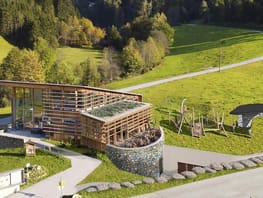
Exhibition in the Nature Park House Ginzling The new "Hidden Treasures" exhibition is a highlight of the newly renovated Nature Park House in Ginzling. Spanning two floors and more than 500 m², it explores the fascinating worlds of geological history, geology, crystals and minerals. Walter Ungerank's remarkable collection forms its centrepiece, complemented by specimens from other mineral collectors.

Cultural.Landscape.World
Exhibition in Brandberg
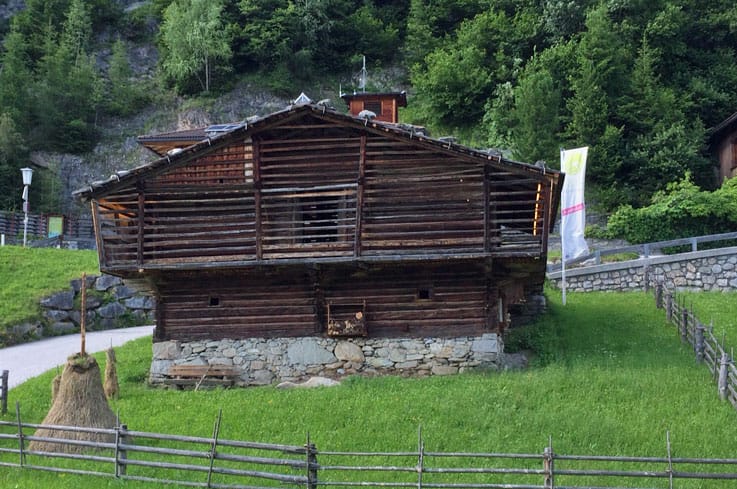
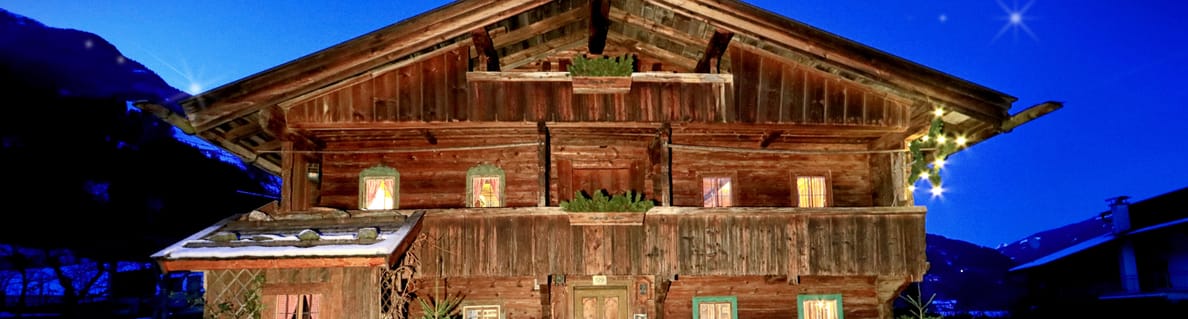
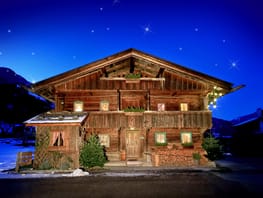
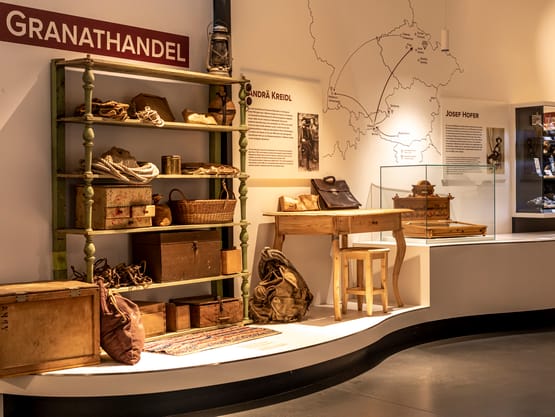
One of the cultural landmarks of traditional mountain farming in the Nature Park region is the Mitterstall Barn in Brandberg. This listed historic building is home to the Nature Park exhibition, "Brandberg - our cultural landscape through the ages". Discover the challenges of traditional alpine farming and the landscapes it has shaped, from lush mountain meadows and pastures to high-altitude grazing grounds. The exhibition also gives local people the opportunity to share their stories and bring the region’s rich cultural heritage to life. Open daily - free admission!
Steinbock.Worlds
Exhibition in Zillergrund
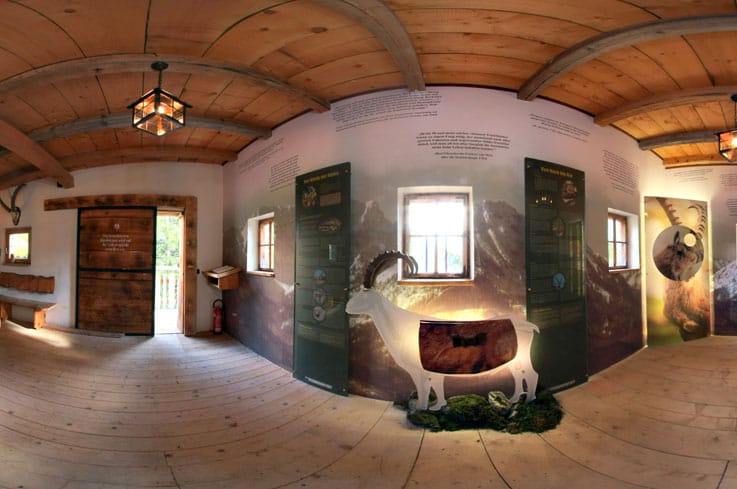
The Alpine ibex (Capra ibex) has a long history in the Zillertal Alps Nature Park, although its fortunes have changed dramatically over the centuries. Until the early 17th century, several hundred ibex roamed the region, but the population was almost wiped out in just 15 years. Despite numerous attempts to reintroduce the species to the Zillertal Valley over the centuries that followed, only a small wild population remains today, and sightings are rare.
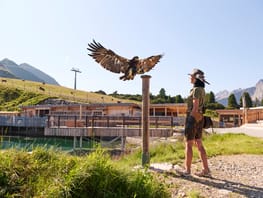
At Steinbock.Welten in the Zillergrund, you can discover more about this fascinating mountain-dweller and even see ibex up close!
Open daily from June to September – free admission!
PfitscherJoch unbounded
Exhibition at the Lavitzalm
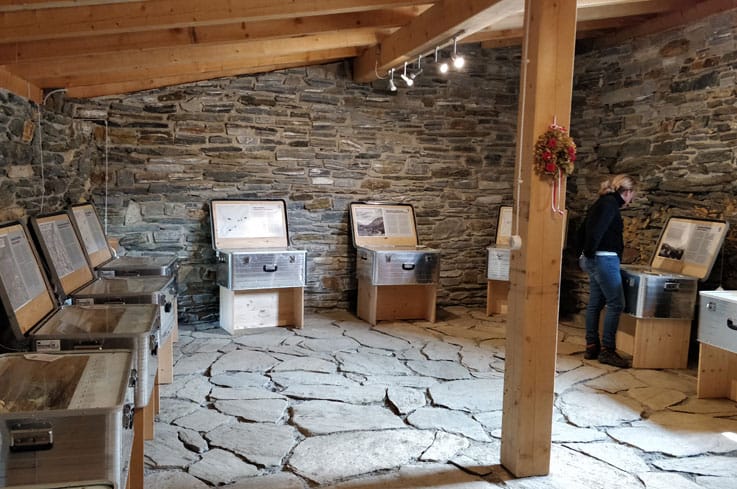
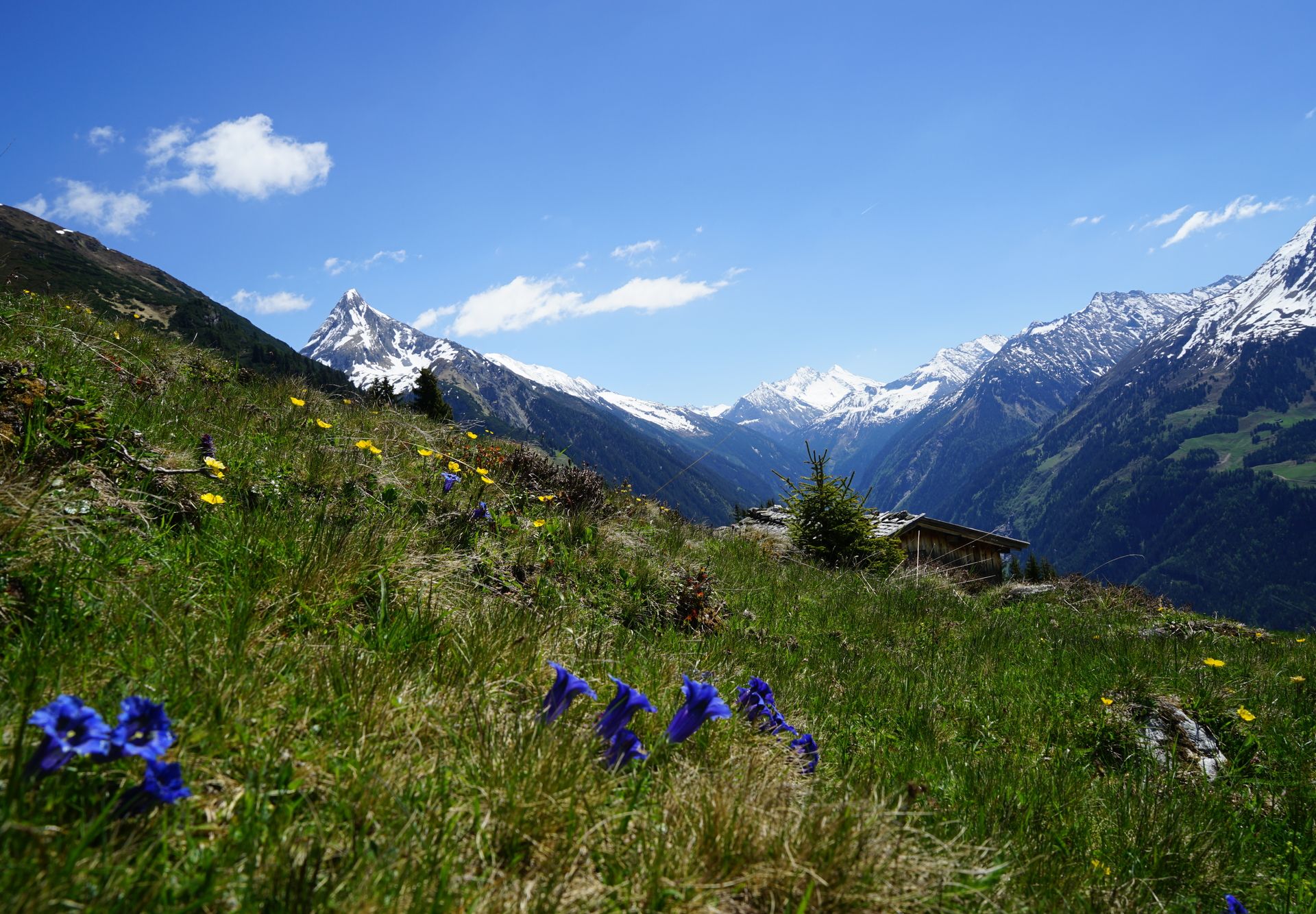
Alongside the breathtaking alpine scenery, there’s another highlight to discover on the hike to Pfitscher Joch from the end of June: the new exhibition „Pfitscher Joch grenzenlos - Pfitscher Joch Unbounded“. Explore decades of research on this historic alpine pass and travel back in time to the Stone Age. The discoveries reveal that Pfitscher Joch held special significance as far back as 9,000 years ago! The exhibition is open daily during the summer months - admission is free!
Klimatop Berliner Hütte
Zemmgrund
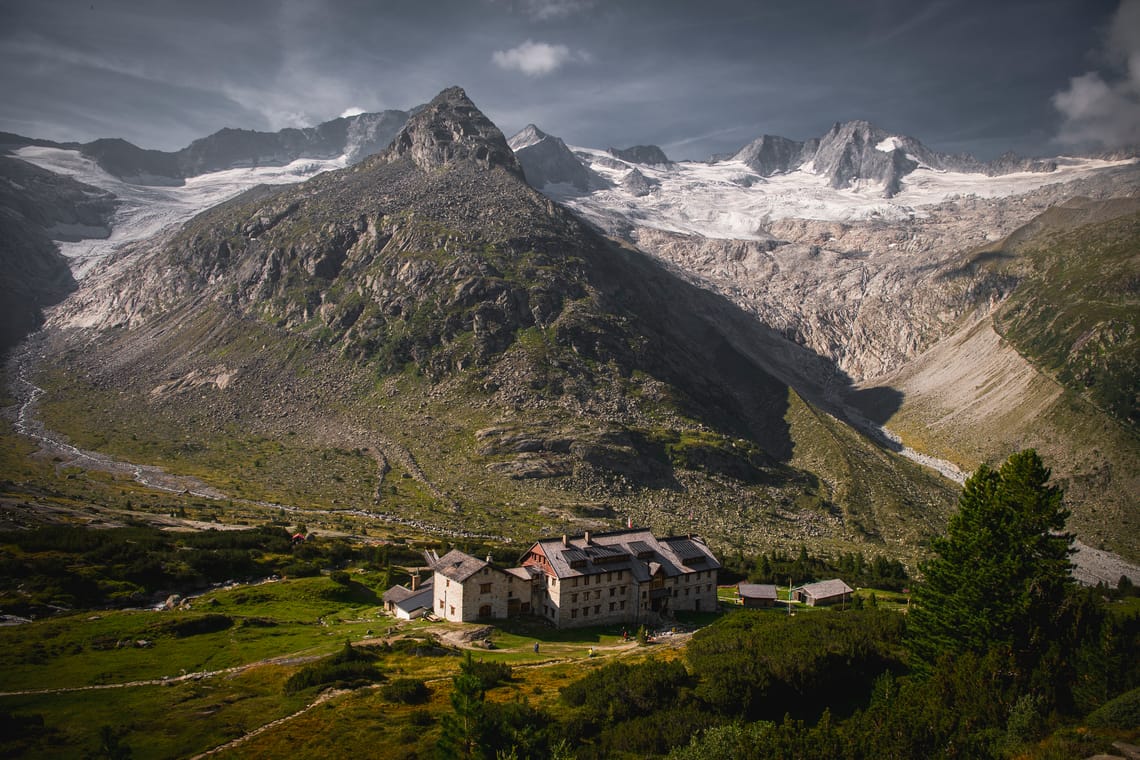
Climate change is becoming increasingly visible in the high mountains and many other natural habitats. But do we recognise the signs? In the Zemmgrund valley, the evidence is particularly easy to spot. Over the past 35 years, for example, the Hornkees, one of the three glaciers in the Zemmgrund, has retreated by more than one kilometre!
At KlimaTop near the Berliner Hütte mountain hut, visitors can discover some of the changes that climate change has already brought to the high alpine environment. Four interactive stations around the hut invite visitors to investigate the evidence for themselves. Inside, the climate corner in the dining room, complete with a climate library and a climate-themed game, is the perfect place to browse, explore and test your knowledge.
Open daily from mid-June to mid-September - free admission!